2023-07-15
Blockchain Technology
Informative blog on blockchain's potential as a transformative force across industries, from cryptocurrencies to supply chain management. Acknowledges challenges while emphasizing its innovative approach to data management.
Blockchain technology has garnered significant attention and interest in recent years, being touted as a potential transformative force across various industries. Its underlying principles, decentralized architecture, and cryptographic security have led many experts to consider it a promising innovation with numerous applications.
Blockchain is essentially a distributed ledger system where transactions and data are recorded across a network of computers (nodes) rather than being stored in a central authority. Each transaction, or "block," is linked to the previous one, creating a chain of blocks that is virtually immutable and resistant to tampering. This feature ensures data integrity, transparency, and trust, as it eliminates the need for a single, trusted intermediary.
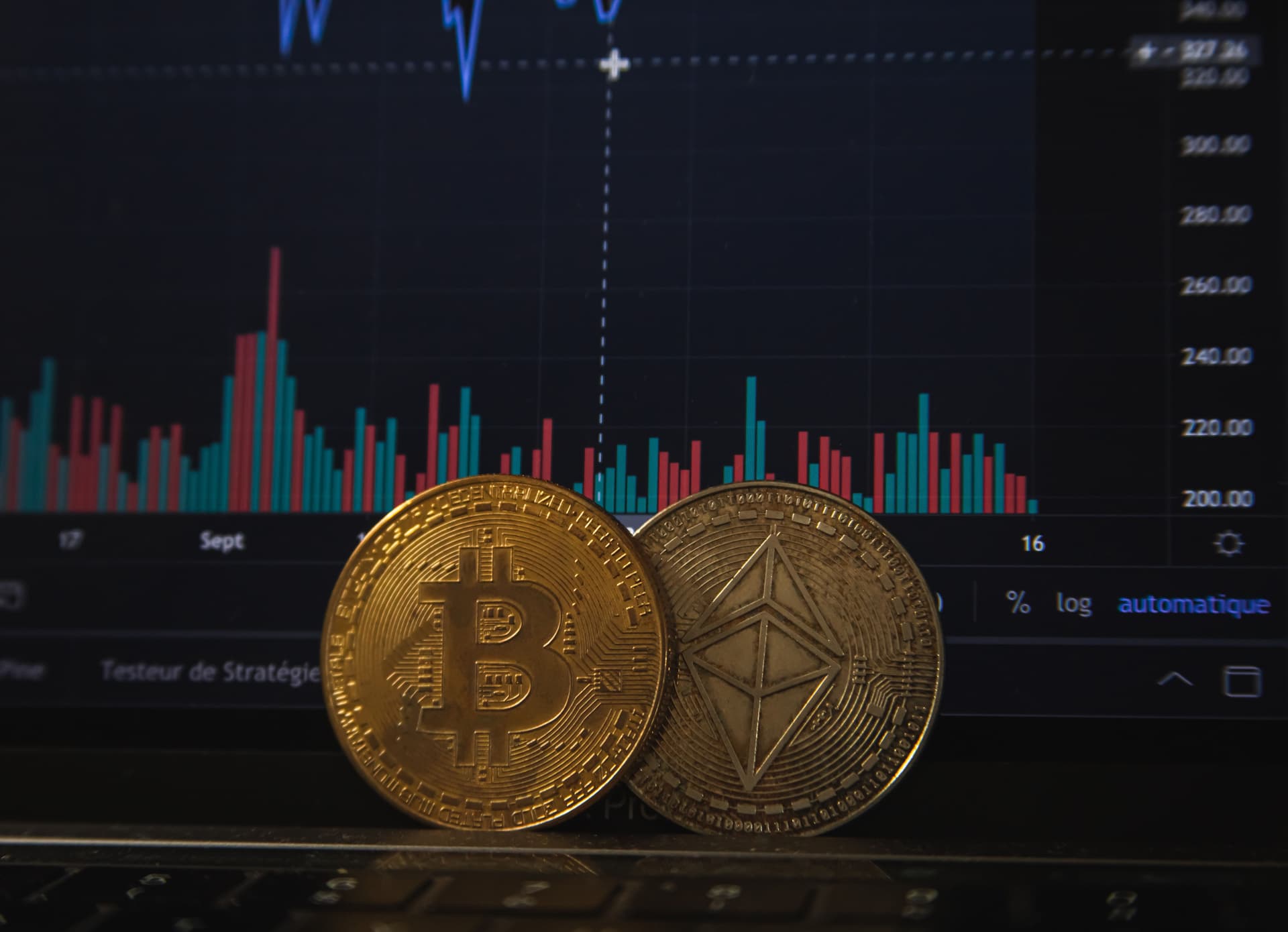
One of the primary use cases of blockchain technology is in the realm of cryptocurrencies. Bitcoin, the first and most well-known cryptocurrency, was built upon blockchain principles and revolutionized the concept of digital money. Other cryptocurrencies followed, each with its unique use cases and features.
Beyond cryptocurrencies, blockchain has demonstrated potential in various industries, including finance, supply chain management, healthcare, real estate, voting systems, and more. In the financial sector, blockchain can enable faster, more secure, and cost-effective cross-border transactions and streamline complex financial processes.
Supply chain management stands to benefit from blockchain's ability to track goods and verify their origins, enhancing transparency and combating counterfeiting. Healthcare could see improved interoperability and security of patient records, while real estate could witness simplified property transactions through smart contracts.
However, it is essential to acknowledge that while blockchain holds great promise, it also faces significant challenges. Scalability, energy consumption, regulatory issues, and the need for widespread adoption are some of the hurdles that need to be addressed.
As with any emerging technology, the trajectory of blockchain's future is subject to various factors, including ongoing research, technological advancements, and the response from businesses, governments, and the general public. While its potential is vast, it remains uncertain whether blockchain will become the transformative force that some have prophesized. Nonetheless, it undeniably represents a compelling and innovative approach to data management and trust in the digital age.